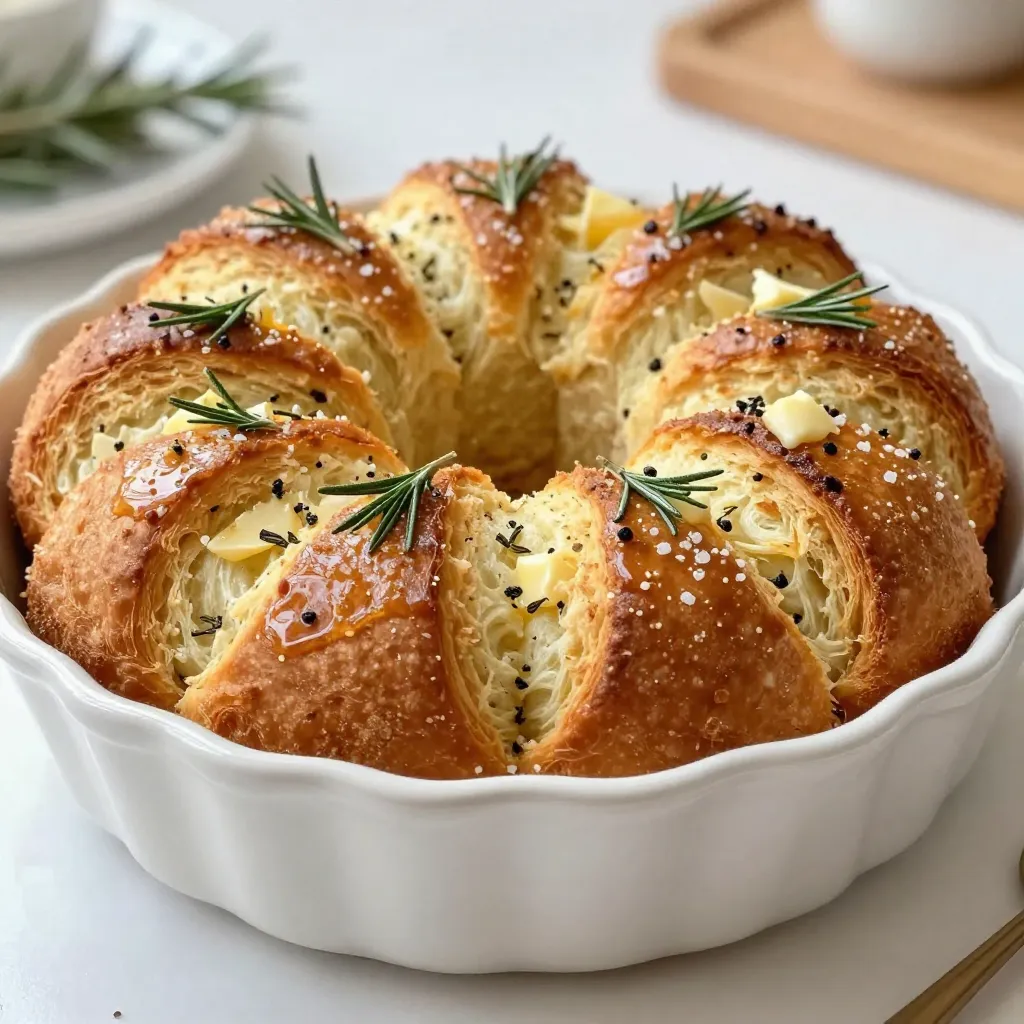
Are you ready to impress your friends and family? This Rosemary Garlic Pull-Apart Bread is the perfect flavorful snack. With its soft texture and rich taste, it’s sure to be a hit at any gathering! I’ll guide you through simple steps that make this bread easy to bake at home. Let’s dive into the ingredients, techniques, and tips that will help you create this warm, savory treat!
Why I Love This Recipe
- Comforting Flavor: This bread is infused with the aromatic goodness of garlic and rosemary, making it a perfect comfort food.
- Easy to Share: Its pull-apart design makes it a great option for gatherings, allowing everyone to enjoy a piece easily.
- Customizable: You can easily add other herbs or toppings to suit your taste, making it versatile for any occasion.
- Freshly Baked Aroma: The smell of this bread baking will fill your kitchen with an irresistible warmth that invites everyone to the table.
Ingredients
Required Ingredients for Rosemary Garlic Pull-Apart Bread
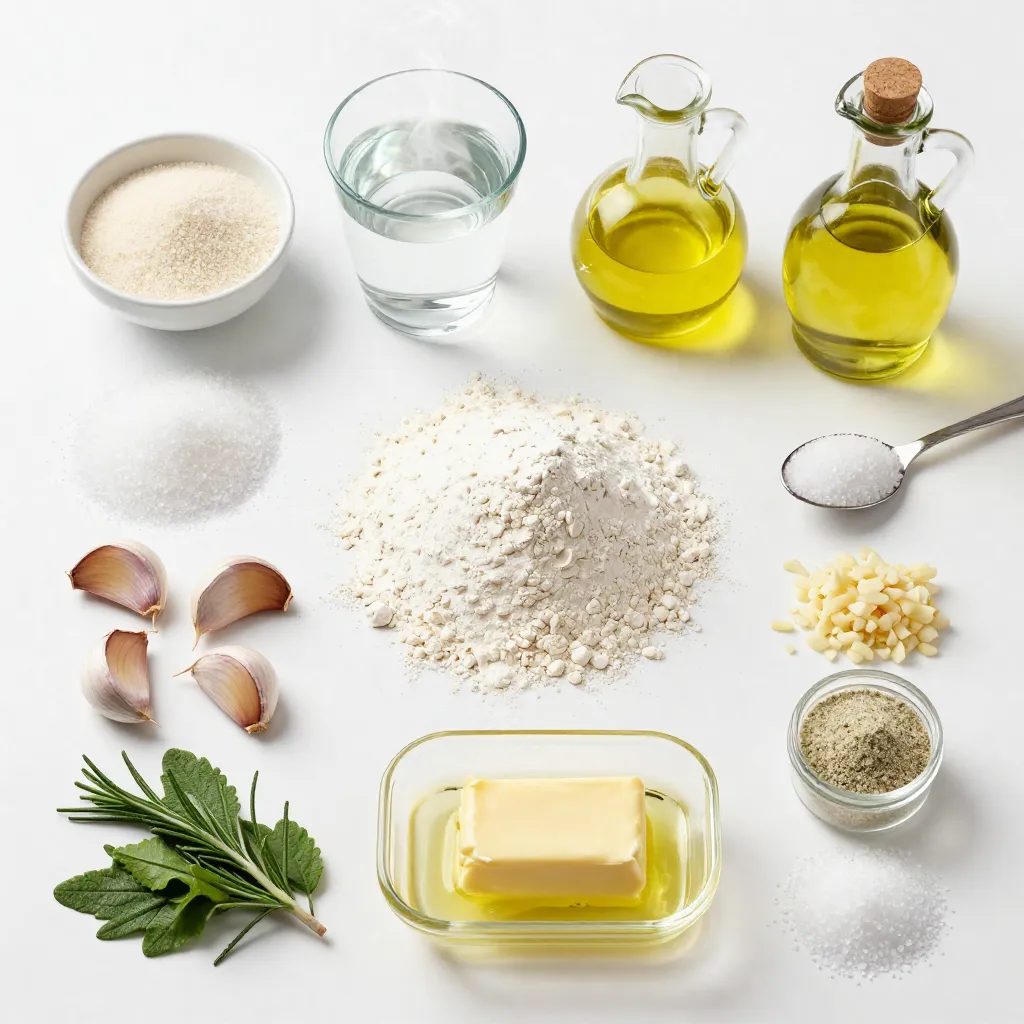
To make this tasty bread, gather these key items:
– 2 teaspoons active dry yeast
– 1 cup warm water (110°F)
– 3 tablespoons sugar
– 2 tablespoons olive oil
– 3 cups all-purpose flour
– 1 teaspoon salt
– 4 cloves garlic, minced
– 2 tablespoons fresh rosemary, chopped (or 1 tablespoon dried)
– 1 tablespoon melted butter
– Sea salt for sprinkling
These ingredients work together to create a soft and flavorful bread that pulls apart easily.
Optional Ingredients for Variations
You can add extra fun to your bread with these optional items:
– ½ teaspoon garlic powder
– Extra chopped rosemary for topping
These options let you customize the flavor to your liking.
Tools and Equipment Needed
Be sure to have these tools ready for your baking adventure:
– Large mixing bowl
– Clean surface for kneading
– Damp cloth for covering dough
– Bundt pan or round cake pan
– Oven for baking
Having these tools on hand makes the process smooth and easy. Enjoy your baking journey!
Step-by-Step Instructions
Activating the Yeast
To start, you need to activate the yeast. In a large bowl, mix 1 cup of warm water (110°F), 3 tablespoons of sugar, and 2 teaspoons of active dry yeast. Let this sit for about 5-10 minutes. You will see bubbles form on top. This shows the yeast is alive and ready to work.
Mixing and Kneading the Dough
Once the yeast is frothy, add 2 tablespoons of olive oil, 3 cups of all-purpose flour, 1 teaspoon of salt, 4 cloves of minced garlic, and 2 tablespoons of chopped fresh rosemary. Stir until a dough forms. Then, place the dough on a floured surface. Knead it for about 5-7 minutes. The dough should feel smooth and elastic.
First Rise and Preparing the Dough Balls
After kneading, place the dough in a lightly oiled bowl. Cover it with a damp cloth and let it rise in a warm spot for about 1 hour. It should double in size. Once it has risen, punch it down. Divide the dough into small balls, about 1-2 inches each. This makes it easy to pull apart later.
Final Rise and Baking Instructions
Now preheat your oven to 375°F (190°C). Dip each dough ball in melted butter. Arrange them in a greased bundt pan or round cake pan. Sprinkle optional garlic powder and sea salt on top. If you like, add extra chopped rosemary. Cover the pan with a cloth and let the dough rise again for 30 minutes. Bake for 25-30 minutes. The bread should be golden brown and sound hollow when tapped. Allow it to cool slightly, then enjoy pulling apart the pieces!
Tips & Tricks
Ensuring the Perfect Dough Consistency
For your dough to be just right, it needs to be soft but not sticky. When you mix the flour with the wet ingredients, you want a smooth texture. If the dough feels too wet, add a little more flour, one tablespoon at a time. Knead the dough for about 5-7 minutes until it feels elastic. This will help the bread rise nicely.
Common Mistakes to Avoid
One common mistake is not letting the dough rise long enough. Make sure to let it double in size. If your yeast does not bubble when mixed with warm water and sugar, it may be dead. Always check the yeast before you start. Also, don’t skip dipping the dough balls in melted butter. This adds flavor and helps the bread cook evenly.
Enhancing Flavor with Additional Herbs
Rosemary is great, but you can mix in other herbs too. Try adding thyme or oregano for a different taste. Fresh herbs work best, but dried ones can also add nice flavor. Just remember to adjust the amount based on your taste. A little goes a long way! You can also sprinkle some fresh herbs on top before baking for a pretty touch.
Pro Tips
- Use Fresh Ingredients: Fresh rosemary and garlic will enhance the flavor of your pull-apart bread significantly compared to dried herbs.
- Let Dough Rise in a Warm Place: A warm environment helps the dough to rise effectively. If your kitchen is cool, consider using an oven with the light on.
- Don’t Skip the Second Rise: Allowing the dough balls to rise a second time in the pan ensures a fluffy texture and better flavor development.
- Experiment with Toppings: Feel free to add different herbs or sprinkle cheese on top before baking for a unique twist on this classic recipe.
Variations
Cheese-Stuffed Pull-Apart Bread
Cheese-stuffed pull-apart bread brings a fun twist to this dish. You can use mozzarella or cheddar. Just take a small dough ball and place a piece of cheese inside before shaping it. This creates a gooey, cheesy center that melts wonderfully. The warm, cheesy bread works great for parties or family dinners.
Herb-Infused Options
Herb-infused options add a burst of flavor to your pull-apart bread. Try using thyme, basil, or oregano along with the rosemary. You can mix these herbs into the dough or sprinkle them on top. The aroma will fill your kitchen and make your bread even more tasty. Each herb brings its own unique taste to the dish.
Sweet vs. Savory Pull-Apart Bread
Sweet and savory pull-apart bread offers even more variety. For a sweet version, add cinnamon and sugar instead of garlic. You can also fold in dried fruit or nuts. This creates a delightful treat for breakfast or dessert. Savory options can include ingredients like sun-dried tomatoes or olives. Both versions are easy to make and delicious to eat.
Storage Info
How to Store Leftover Bread
To keep your rosemary garlic pull-apart bread fresh, wrap it in plastic wrap. You can also use a zip-top bag. This keeps the bread moist and soft. Store it at room temperature for up to three days. If you want to keep it longer, consider freezing.
Reheating Instructions
To reheat your bread, preheat your oven to 350°F (175°C). Place the bread on a baking sheet. Cover it with aluminum foil to prevent it from getting too brown. Heat for about 10-15 minutes. This gives you warm, fluffy bread again. You can also microwave it for 15-20 seconds if you want a quick fix. Just be careful not to overheat it.
Freezing for Long-Term Storage
If you want to freeze your pull-apart bread, let it cool completely first. Wrap it tightly in plastic wrap, then in aluminum foil. This helps protect it from freezer burn. You can freeze it for up to three months. When ready to enjoy, thaw it overnight in the fridge. Then, reheat as mentioned above. This way, you’ll have a tasty snack ready whenever you need it.
FAQs
Can I use instant yeast instead of active dry yeast?
Yes, you can use instant yeast. It works well in this recipe. Just mix it directly with the flour. You won’t need to activate it in water first. This saves time, and the bread will still rise nicely.
How can I make this recipe gluten-free?
To make this recipe gluten-free, use a gluten-free all-purpose flour blend. Ensure it contains xanthan gum for elasticity. Follow the same steps in the recipe. The texture may differ, but the flavor will still shine.
What does “pull-apart” mean in baking?
“Pull-apart” means the bread is soft and easy to separate. You can pull pieces apart with your hands. This style makes it fun to share at gatherings. Each piece is fluffy and packed with flavor.
Can I prepare the dough ahead of time?
Yes, you can prepare the dough ahead of time. After the first rise, cover the dough tightly and refrigerate it. You can keep it there for up to 24 hours. Just let it come to room temperature before shaping and baking.
This blog post showed you how to make rosemary garlic pull-apart bread. We covered all the key ingredients, tools, and the step-by-step process. You learned how to activate yeast, mix dough, and avoid common mistakes. We also explored tasty variations and how to store leftover bread properly.
Making this bread is fun and rewarding. Enjoy your baking adventures and share your creation